Do Box Turtles Hibernate? Brumation Explained
box turtlesbrumationhealth
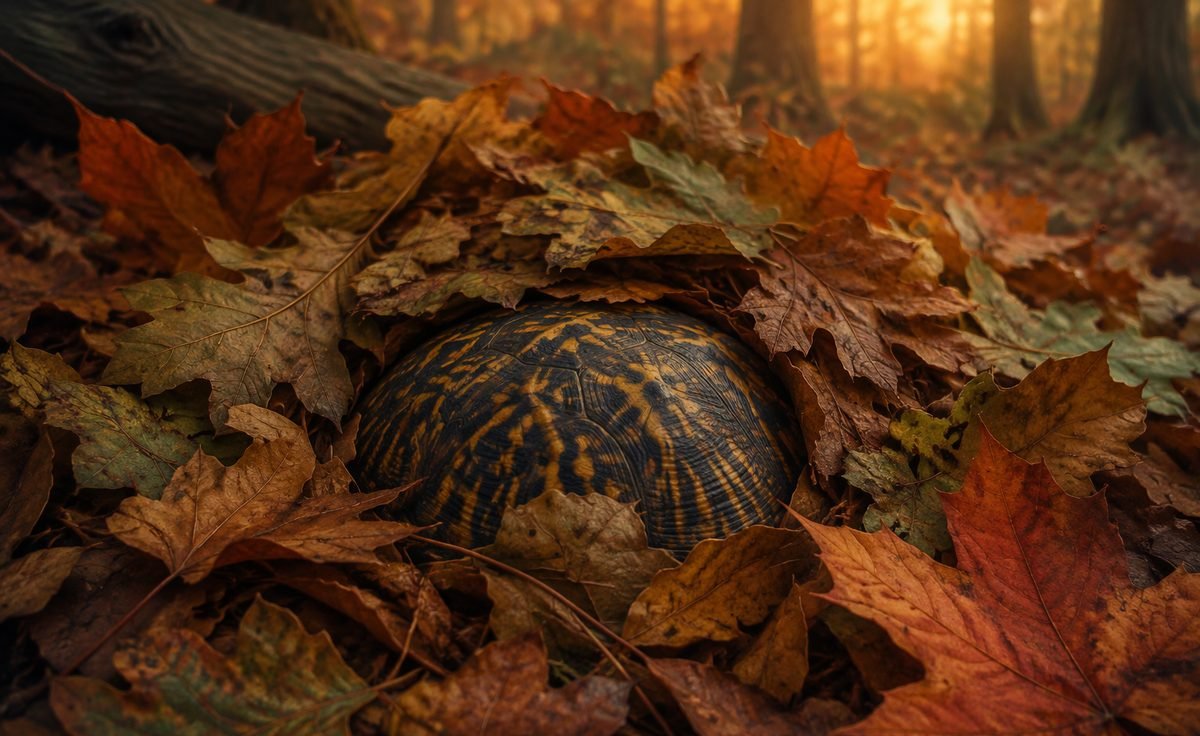
Every fall, the same question floods reptile forums: should my box turtle hibernate? Here’s the direct answer — and then everything you need to do it safely.
Box turtles don’t truly hibernate — they brumate. Hibernation is the deep sleep mammals enter; brumation is the reptile version: a low-metabolism standby state where heart rate, breathing, and digestion slow dramatically. Brumating turtles aren’t fully asleep — they may wake for a drink every few weeks and can even move toward the surface on warm winter days. In the wild, North American box turtles brumate every year from late fall until spring.
Brumation vs. Hibernation: What’s the Difference?
- Hibernation is for mammals. Body temperature is maintained by their own metabolism; they enter deep sleep and barely stir all winter.
- Brumation is the reptile version. Body temperature follows the environment, metabolism drops to a minimum, and the turtle lives off fat reserves built up over summer and fall.
As a keeper, all you really need to remember is this: brumation is a normal, important part of a box turtle’s life cycle — not an illness, and not a sign that something is wrong.
How Wild Box Turtles Brumate
When autumn temperatures drop below about 50°F (10°C) and daylight shortens, box turtles instinctively dig down. They choose well-drained slopes with deep leaf litter, burying themselves 4–6 inches into the humus — just above the frost line, where temperatures hold steady between 35–50°F (2–10°C). All winter they barely eat or move, living off body fat for 3–5 months.
Does Your Pet Box Turtle Need to Brumate?
This is the most common follow-up question, and the answer depends on the turtle.
Good candidates for brumation:
- Healthy, well-conditioned adults and robust sub-adults — especially if you plan to breed them, since brumation is a key trigger in the reproductive cycle. Brumation also appears to play a real role in hormonal regulation, immune function, and gut flora balance.
Should NOT brumate:
- Hatchlings and juveniles (under 3 years old — insufficient energy reserves)
- Underweight, sick, injured, or newly acquired turtles (less than a year in your care)
- Any turtle when you cannot provide a stable 35–50°F (2–10°C) environment
Skipping brumation is also fine. Keep temperatures and lighting on a normal schedule and your box turtle can stay active year-round without harm. Brumation is an optional biological rhythm, not a requirement — but if you ever plan to breed box turtles, it’s close to essential.
Preparing for Brumation (Start 4–6 Weeks Ahead)
- The trigger: when average ambient temperatures fall below 59°F (15°C), it’s time to start preparing — beginning with ending feeding.
- Health check: confirm your turtle shows no respiratory infection (runny nose, swollen eyes), shell rot, or parasite symptoms. If possible, get a vet check and fecal exam before brumation.
- Weigh and record: log the pre-brumation weight as your monitoring baseline.
- Stop feeding 2–3 weeks before brumation so the gut empties completely. Food left in the digestive tract rots at low temperatures and produces gas — this is the deadliest brumation risk.
- Warm water soaks: during the fasting period, soak your turtle every few days to help empty the gut and top up hydration.
Three Ways to Brumate a Box Turtle
Method 1: Outdoor Brumation (mild climates + outdoor pens)
Pick a well-drained corner of the pen that won’t flood, and pile on at least 12 inches of leaves and mulch — the turtle will burrow in on its own. Cover with a waterproof tarp to keep rain and snowmelt from soaking the pile, and make sure the pen is secured against rats and raccoons. Soggy, frozen substrate and predators are the two great killers of outdoor brumation.
Method 2: The Refrigerator Method (most precise control)
Use a dedicated mini-fridge in a garage or storage room with a thermometer inside. Place the turtle in a ventilated tub filled with slightly damp sphagnum moss, and set the fridge to 39–45°F (4–7°C). The advantages: total temperature control and zero predator risk. Always verify with a real thermometer, and never share a household fridge.
Method 3: The Insulated Cooler Method (the author’s own approach)
This is how I brumate my own box turtles. Use a foam cooler (walls at least half an inch thick; bigger is better, because a larger internal volume holds temperature more steadily). Place it somewhere with a stable ambient temperature of 37–50°F (3–10°C), indoors or out — but never in direct sun, since warming wakes the turtles and repeated waking burns through their energy reserves. Keep it somewhere quiet, away from footsteps and vibration. Drill ventilation holes — a sealed box is a suffocation risk. Layer it like this: a drainage grate on the bottom, a layer of damp sphagnum moss, moistened coco coir in the middle, and more moss on top, deep enough to completely cover the turtles once they burrow in.
Monitoring During Brumation
- Duration: typically 8–12 weeks; no more than 16
- Check-ins: every 2–4 weeks, and be gentle
- Weight checks: weigh monthly. If a turtle loses more than 10% of its pre-brumation weight, it’s burning reserves too fast — end brumation early
- Red flags (wake the turtle immediately): runny nose or audible breathing, swollen eyes, softened or foul-smelling shell, rapid weight loss
Waking Up: How to “Reboot” in Spring
When temperatures settle reliably above 59°F (15°C), move your turtle to a mildly warm transition space (around 68°F / 20°C) and let it wake naturally — don’t shock it straight into a hot enclosure. After waking:
- Offer warm-water soaks for rehydration first — this matters more than food
- After 2–3 days, offer small amounts of easy-to-digest food (cooked pumpkin works best)
- Return to the normal care routine within a week
If your turtle still refuses food two weeks after brumation ends, see a vet.
Frequently Asked Questions
Can box turtles die during brumation? With healthy turtles and proper preparation, the risk is very low. Nearly all brumation deaths trace back to brumating a sick turtle, temperatures dropping below freezing, or waterlogged substrate.
My winters are warm and my turtle skipped brumation — is that a problem? No. Many turtles in mild climates simply enter a lighter, low-activity state. As long as appetite and weight stay normal, there’s no need to intervene.
When can a young box turtle brumate for the first time? The safe rule of thumb: after age three, in good health and at a solid weight.
For the complete husbandry picture, see our Box Turtle Care: Complete Guide and Enclosure Setup guide.